Understanding the psychological triggers that drive gambling behavior
Understanding the psychological triggers that drive gambling behavior
The allure of risk and reward
The thrill of gambling is often rooted in the allure of risk and reward. Many individuals are drawn to the excitement of wagering money with the hope of winning big. This dynamic creates a unique psychological environment where the potential for a substantial payout can outweigh the risks involved. The anticipation that builds as players engage in games, whether online or in-person, amplifies the desire to participate, often leading to repeated behaviors. For more information, check out https://www.thebourbon.ca/.
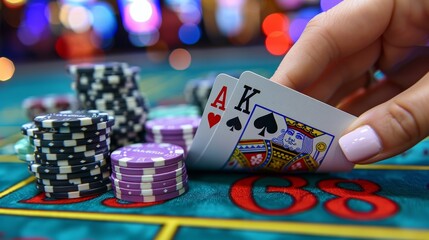
The risk-reward relationship taps into fundamental human instincts. The brain releases dopamine, a neurotransmitter associated with pleasure, during gambling activities, particularly when wins occur. This biochemical reaction not only reinforces the gambling behavior but also creates a cycle where the individual continues to seek the highs associated with successful bets, often neglecting the potential lows.
The impact of cognitive biases
Cognitive biases play a significant role in gambling behavior. Many gamblers exhibit biases such as the illusion of control, where they mistakenly believe they can influence the outcome of random events. This belief can lead to increased gambling activity as players feel empowered by their perceived abilities, often disregarding statistical realities.
Additionally, the gambler’s fallacy—the belief that past events can influence future outcomes—can cause individuals to make poor decisions. For instance, a player may think that a slot machine is “due” for a payout after a series of losses, leading to continued play. These cognitive distortions can exacerbate gambling habits, reinforcing the cycle of behavior and increasing the risk of addiction. This is particularly relevant in the context of Mission Uncrossable Demo, which emphasizes the impact of cognitive biases.
The role of social influences
Social factors significantly influence gambling behavior. Peer pressure, cultural norms, and community attitudes toward gambling can encourage individuals to participate more actively in gambling activities. When gambling is normalized within a social circle, individuals may feel compelled to join in, even if they have reservations about the activity.
Furthermore, the rise of social gambling platforms and online casinos has blurred the lines between traditional gambling and social interaction. Games that incorporate social elements foster a sense of camaraderie, making it easier for players to justify their behavior and engage more frequently. This social validation can intensify the psychological triggers that drive gambling behavior, particularly evident in trends like roobet mission uncrossable.
The influence of technology on gambling
Technology has dramatically transformed the gambling landscape, making it more accessible and engaging. Online casinos and mobile applications offer a plethora of games at users’ fingertips, increasing the opportunities for gambling. This convenience can trigger impulsive behaviors, as players can gamble anytime and anywhere, often leading to excessive play.
Moreover, gamification elements—such as rewards, achievements, and leaderboards—enhance the engagement level, making gambling more appealing. These features exploit psychological triggers like competition and accomplishment, driving users to return for more. Consequently, technology does not just facilitate gambling; it actively shapes the way individuals engage with it.
Mission Uncrossable: A case study in engaging gameplay
Mission Uncrossable Canada exemplifies how modern gaming integrates psychological triggers to create an engaging experience. This skill-based crypto game allows players to navigate challenges, combining the thrill of risk with strategic decision-making. Each successful crossing through chaotic traffic not only boosts players’ multipliers but also reinforces their sense of achievement, further enhancing the desire to continue playing.
The game’s design reflects the essence of modern gambling dynamics, utilizing technology to create an immersive environment. By providing options for real play and demo modes, it caters to a broad audience, allowing users to experience the psychological triggers of gambling in a controlled manner. Through such innovative platforms, players can explore their motivations while enjoying high-stakes excitement in a safe, engaging way.

- ekjhalak.live
- Mythen und Missverständnisse im Casino Was wirklich stimmt und was nicht February 2, 2026
- Ответственное азартное поведение как избежать рисков в казино February 2, 2026
- Exploring the thrills online gambling versus traditional casinos February 2, 2026
- Mastering five winning strategies for casino success February 2, 2026
- Casino-Spiele Strategien für den Gewinn bei beliebten Tischspielen February 2, 2026